YOUR CART
- No products in the cart.
Subtotal:
$0.00
BEST SELLING PRODUCTS

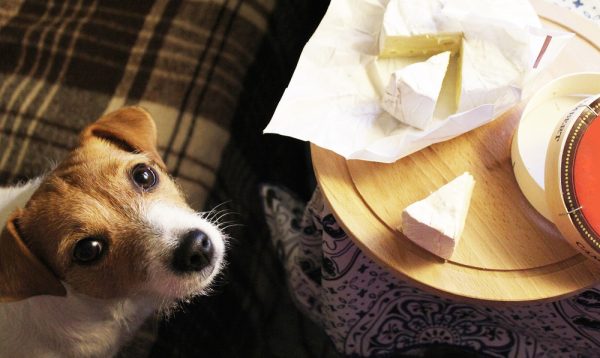
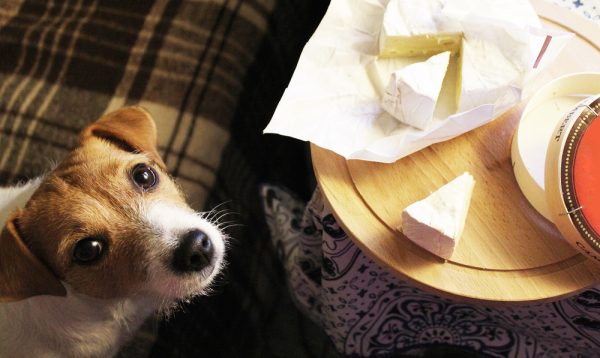
Ever notice your dog’s tail wagging uncontrollably when you pull out a block of cheese? You’re not imagining it; most dogs genuinely love cheese. But what makes this creamy treat so irresistible to our furry friends? And more importantly, is it safe for them to eat? From its strong smell to chewy textures, cheese has multiple appeals for dogs. We’ll explore the reasons behind their cheesy obsession and share tips on feeding it safely.

Dogs experience the world mostly through their noses, so it’s no surprise that a strong-smelling cheese can make their tails wag. While scientists aren’t completely sure why pungent odors attract dogs, it’s likely because layered scents pique their curiosity and provide mental stimulation.
Think of it this way: your dog can’t usually explore rotting leaves or smelly garbage safely, but cheese gives them a safe way to indulge their nose. For dogs that love exploring scents, a whiff of stinky cheddar or Swiss can feel like a miniature adventure. If your pup perks up just at the smell of a cheese wrapper, it’s proof that smell alone can be a powerful lure.
Dogs tend to prefer savory flavors over sweet ones, which is rooted in their evolution. Wild canines primarily ate meat, so foods with a strong umami taste are naturally more appealing. Cheese, with its rich, salty, and sometimes tangy flavors, hits that savory-sweet spot perfectly.
Even if your dog sniffs fruit or carrots with mild interest, the taste of cheese can be a completely different story. This is why cheese often becomes a “high-value” treat used in training sessions; it’s hard to resist and motivates dogs to learn new tricks quickly.
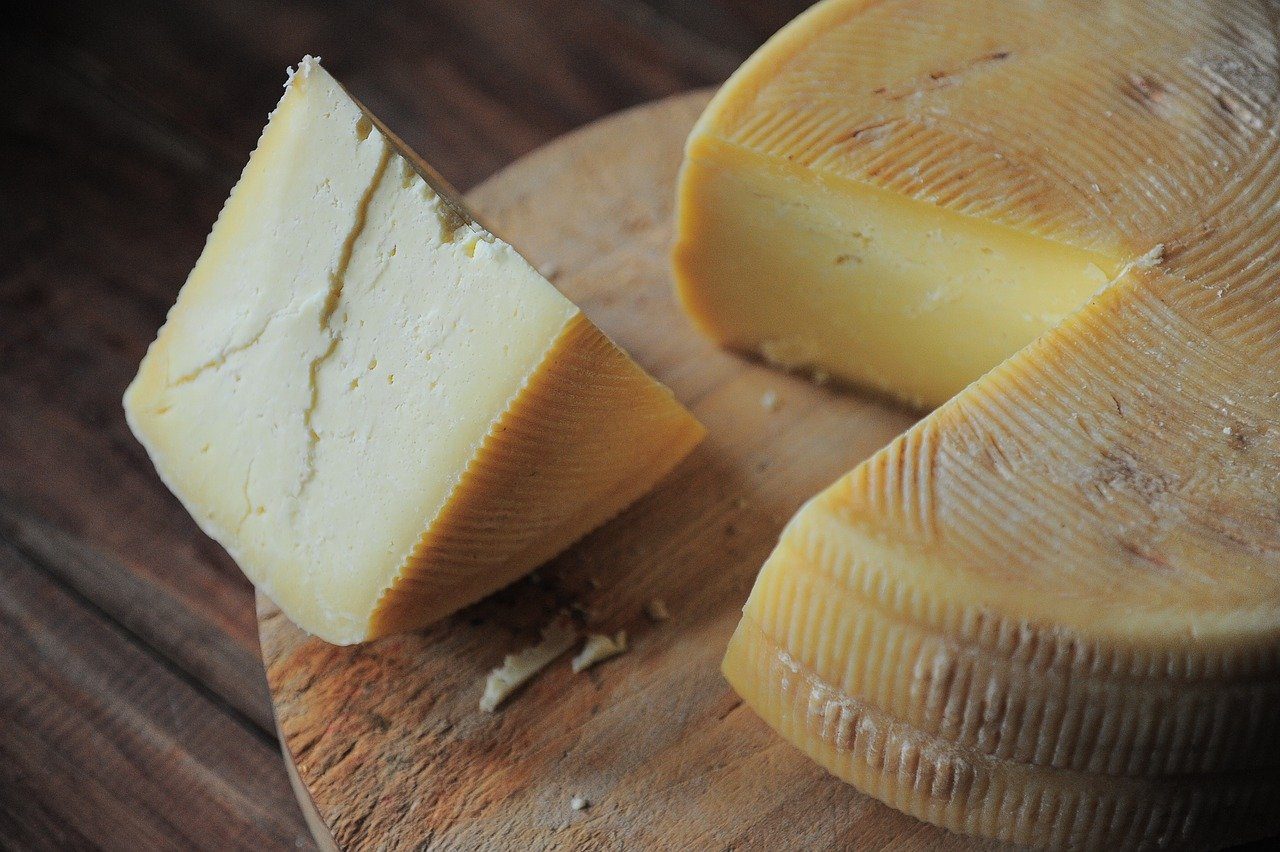
Fat gets a bad rap in human diets, but for dogs, it’s an essential nutrient. Fat is a concentrated energy source, helps absorb fat-soluble vitamins, and supports healthy skin and coat. Cheese contains fat that can make it highly appealing to dogs, both for its taste and its satisfying richness.
Some cheeses also provide additional nutrients like calcium, vitamin A, B12, zinc, phosphorus, and riboflavin. While your dog isn’t exactly thinking about vitamins, these nutrients enhance the flavor and richness of cheese, making it a more rewarding snack. Remember, moderation is key. Too much cheese can contribute to unwanted weight gain, so it’s best used as a special treat.
Chewing is more than just fun for dogs; it’s a form of mental stimulation and enrichment. Cheese comes in a variety of textures that appeal to different dogs. Soft, creamy slices are easy to eat and great for hiding treats inside toys, while harder cheese sticks, like yak cheese, can occupy a dog for extended chewing sessions.
Offering different textures keeps dogs entertained and can even help reduce boredom or anxiety. For dogs that love to chew, providing safe, chewable treats like certain cheeses can be a rewarding activity that also engages their senses.
If your dog gives you the full puppy-dog eyes, wiggles uncontrollably, or does that adorable little dance when you pull out the cheese, congratulations: you’re officially paying the cheese tax. Many dog owners admit to sneaking extra bites or offering bigger chunks just to see that happy reaction. While the tax is cute, it’s important to remember that moderation matters—cheese is calorie-dense, and overindulgence can quickly add up. Think of it as a tiny, delicious “fee” for canine joy, not a free-for-all buffet. A few bites here and there are fine, but stick to the safe cheeses and portion sizes outlined above to keep your pup healthy and satisfied. Below, we go into cheese-tax safety tips.

Cheese can be part of a dog’s diet, but it must be offered responsibly. Because cheese is calorie-dense and high in fat, overfeeding can lead to weight gain or digestive upset. Always start with small pieces, especially if it’s your dog’s first time trying cheese, to ensure they tolerate it well.
Dogs can be lactose-intolerant, and too much dairy can cause stomach upset, diarrhea, or gas. If your pup experiences discomfort, it’s best to avoid cheese in the future. For dogs with existing health issues, dietary restrictions, or medications, check with your veterinarian before introducing cheese.
Did you know you can talk to a vet online? Click on the image or button below to schedule a call:

Not all cheeses are safe. Blue cheeses, such as Roquefort, Stilton, and Gorgonzola, contain a substance called roquefortine C, which many dogs cannot tolerate. Consumption can result in severe symptoms, including vomiting, diarrhea, lethargy, twitching, panting, or even seizures.
If your dog accidentally eats blue cheese, call your vet or a pet poison hotline immediately. Quick action is essential to prevent serious complications. Avoid feeding moldy or blue cheeses entirely to keep your dog safe.
One of the best uses for cheese is as a high-value training reward. Its rich flavor and aroma can motivate dogs who might ignore standard treats. Small, bite-sized pieces work perfectly for rewarding quick learning and maintaining focus during training sessions.
Pro tip: You can even hide tiny cheese cubes inside puzzle toys or under a cup in a shell game to mentally stimulate your dog while rewarding them with a tasty treat. This method combines mental enrichment with the joy of cheese, creating a happy, healthy experience.
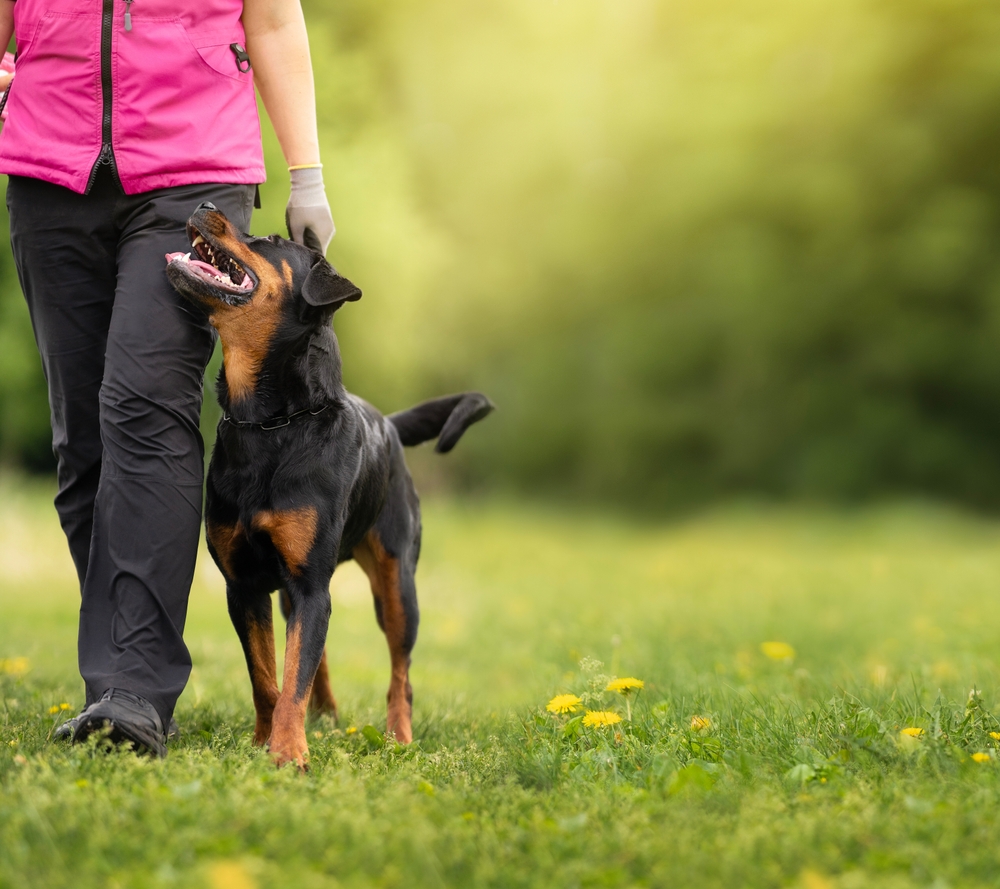
Cheese can be a delightful indulgence for dogs, thanks to its smell, flavor, fat content, and texture variety. By feeding it sparingly and safely, you can make snack time a positive, rewarding experience without risking your pup’s health. Remember: moderation is everything, and avoiding unsafe cheeses like blue cheese keeps your dog both happy and healthy. With these tips, you can let your furry friend enjoy cheese, the safe way.
Feature Image Credit: Irina-Senkova-Shutterstock

Two weeks of rest.
Two weeks of rest.
Two weeks of rest.
Two weeks of rest.
There’s no way to say it to make it sound any better. Or easier.
But, that was the verdict after a series of trips to the vet, X-rays, and a whole host of–as it turns out, unrelated–additional test, like an EKG.

Okay, so, what happened?
Well, here’s what I think happened, but we don’t know: A couple weeks ago, a tornado hit our town. During the event, we all huddled in the basement–a feat because all the animals are afraid to go down there (except Newt, of course) so we have to carry them one by one.
At one point, we thought the sirens were off, so John and I went upstairs to see what was what and left the girls and animals in the basement. Stola, apparently, followed after us, then chickened out on the basement steps, jumped off the side (did I mention these are DEATH STAIRS with no sides, only a wood pole railing), and landed wrong on the cement floor.
I think that was the inciting incident, though Stola loves to barrel and careen through life over, under, around, and into obstacles at top speed. She hurls her tank-like body through space at speeds that seem impossible for her build. I’ve seen her slam into the girls’ swing set, fling herself off the deck, crash into a tree, and simply keep going. It’s who she is.
So, after intermittent limping over a few days, I took her to the vet.
Where she walked perfectly fine and straight around the entire clinic.
And then we got home and the limping started up again. Of course. Do yours do this, too?
I grabbed some video and sent it over. The vet immediately wrote back, “Yeah, she needs X-rays.”
Nothing is broken or torn. She sprained the tendon around her knee, and her knee was inflamed. The vet gave us some pain meds and orders for rest. The pain meds gave her pretty significant GI distress and killed her appetite, which you’d think would slow her down.
It did not.
After a med change, she was back to eating but her stomach was still a mess, so we called the vet. She gave us some ideas to try, though we were all thrilled that Stola’s knee seemed better. Way less limping.
I started working on the Relaxation Protocol with her to fill some of the time and to work on some training. We played with toys, filled food puzzles, made scavenger hunts. We took a few slow, short walks down the block and back. There were some missteps, but we were making it.
We were making it.
(Meanwhile, things that did not “make it” after Stola’s two weeks of rest: all the deck cushions, Violet’s glasses, Violet’s sandals, Astrid’s Cry Babies baby doll, the replacement deck cushions, John’s pillow, another library book, the goggles and flippers from Astrid’s Sunny Swimmer doll, to name a few. If we took our eyes off of her for one second, in her boredom and malaise, she destroyed.)
Then, one day, I came home from dropping the girls off at camp, let Stola out of her crate, and she collapsed.
But Stola immediately got up and shook it off.
That was weird, I thought.
Then she threw up a whole bunch.
I panicked.
John took her to the vet. They ran all kinds of tests. They did an EKG in case something was up with her heart. It wasn’t. Her stomach was tense, and after all her shenanigans, the vet was pretty sure she had a blockage. (See the previously-mentioned list of all that ish she ate.)
But, those X-rays were inconclusive.
They gave her an anti-nausea shot and said if she throws up again, it’s most likely a blockage, and go straight to the ER. If she doesn’t throw up again, we’ll have to see.
She didn’t throw up again. In fact, she seemed totally fine the next day.
She ate. She kept it all down.
We watched and waited for her to poop. The vet wanted to make sure she was going and wanted to check it, just in case.
Another day later she went, and it was all clear.
We were so very relieved. What the heck happened, we still don’t know.
We hit the two weeks. She was walking great. The vet suggested we start building up her exercise slowly and keep up with the probiotics as her stomach was clearing up.
We cheered. We made it! Two full weeks of rest and weird GI issues, but we made it!
…
She started limping again yesterday.
Send help.

The journey of pregnancy in dogs is a fascinating and carefully timed process. Whether you’re a breeder, a pet owner expecting puppies, or just curious, understanding the dog gestation timeline is crucial. This guide breaks down the entire pregnancy process, from conception to birth, covering key stages, signs, and care tips to ensure a healthy litter.
The average gestation period for dogs is approximately 63 days (9 weeks) from conception. However, it can vary slightly, ranging from 58 to 68 days depending on factors such as breed size, health, and individual variations.
Unlike humans, dogs experience rapid fetal development, making it essential for pet owners to monitor their dog’s health closely throughout the pregnancy.
Day 1-7: After mating, sperm travel to the female’s oviducts, where fertilization occurs. The fertilized eggs (zygotes) begin to divide and move toward the uterus.
Day 8-14: The embryos embed in the uterine lining (implantation), where they start receiving nutrients.
✅ Signs & Care Tips:
No visible physical changes yet.
Continue regular activities, but avoid excessive stress or strenuous exercise.
Day 15-21: Embryos continue to develop, and the placenta starts forming.
Day 22-28: The fetuses grow rapidly, reaching about 1 cm in length. Facial features and vital organs begin to form.
✅ Signs & Care Tips:
Early signs of pregnancy appear, including:
Decreased appetite or mild nausea (similar to morning sickness).
Increased sleepiness and affectionate behavior.
Slightly enlarged nipples.
Veterinary ultrasound can confirm pregnancy around Day 25-28.
The fetuses develop more distinct features, including eyes and limbs.
Their skeletal structure starts forming, making them more visible on X-rays.
✅ Signs & Care Tips:
Increased appetite—start gradually increasing food portions.
Visible weight gain and abdominal enlargement begin.
Provide a high-protein, high-calcium diet to support fetal development.
✅ Signs & Care Tips:
The dog’s appetite increases significantly—switch to nutrient-dense puppy food.
Milk glands begin to enlarge.
Reduce intense physical activity but allow gentle exercise.
✅ Signs & Care Tips:
Nipples enlarge further and may begin producing milk.
The dog may start searching for a quiet, comfortable nesting area—provide a whelping box in a warm, safe location.
Avoid rough play or stress.
Puppies are nearly full-term and move into the birthing position.
The mother’s belly is noticeably large, and fetal movement is visible.
✅ Signs & Care Tips:
Monitor for signs of labor, such as restlessness, panting, and loss of appetite.
Begin taking rectal temperature readings (normal is 101-102.5°F); a drop to 98-99°F signals labor within 24 hours.
✅ Signs & Care Tips:
Stay calm and provide support, but avoid unnecessary interference.
If labor lasts more than 24 hours or if over 2 hours pass between puppies, contact a veterinarian immediately.
Smaller breeds (Chihuahuas, Yorkies) tend to have shorter pregnancies (closer to 58 days) and smaller litters (1-4 puppies).
Larger breeds (Labradors, Great Danes) often have longer pregnancies and larger litters (6-12 puppies).
A high-quality diet rich in protein, fats, and essential vitamins is crucial for healthy fetal development.
Deworming and vaccinations should be done before pregnancy to prevent health risks.
Some genetic factors can influence pregnancy length and litter size.
High-stress environments can lead to complications, so keeping the mother relaxed is essential.
Monitor nursing: Ensure all puppies latch onto their mother and receive colostrum (first milk rich in antibodies).
Keep them warm: Puppies cannot regulate their body temperature for the first two weeks.
Veterinary check-up: Have the mother and puppies examined within 24-48 hours after birth.
The dog gestation timeline is a structured yet delicate process requiring careful attention. From fertilization to delivery, every stage plays a crucial role in ensuring the health of both the mother and her puppies. By understanding and monitoring each phase, dog owners can provide the best possible care and prepare for a successful whelping experience.
Whether you’re a breeder or a first-time dog owner, being informed about the canine pregnancy timeline helps ensure a safe and smooth journey for both the mother and her precious newborns!

As pet care tendencies evolve, 2025 ushers in an thrilling vary of canine merchandise that mix innovation, sustainability, and elegance. Whether or not you’re a seasoned pet guardian or a brand new canine proprietor, investing in the perfect merchandise can elevate your furry good friend’s high quality of life whereas making your each day routines simpler. From good devices to eco-friendly equipment, right here’s a complete information to the perfect canine merchandise of 2025.
Good canine collars are not simply location trackers; they’re full wellness instruments. That includes GPS, coronary heart charge monitoring, and exercise monitoring, these collars sync seamlessly with cellular apps to supply insights into your canine’s well being and habits.
Sustainability takes middle stage in 2025 with eco-friendly canine beds crafted from recycled or biodegradable supplies. These beds will not be solely sort to the planet but in addition designed for optimum consolation, that includes orthopedic assist for older canines.
Feeding your canine has by no means been extra environment friendly. Good feeders now use AI to dispense exact parts based mostly in your pet’s age, weight, and exercise stage. Some fashions even supply personalised meal plans via cellular apps.
For canines vulnerable to anxiousness, wearable calming gadgets have revolutionized stress administration. Incorporating vibration remedy, aromatherapy, and stress wraps, these merchandise are perfect for soothing your canine throughout journey, storms, or separation.
Toys constituted of biodegradable supplies, akin to pure rubber and natural cotton, are trending in 2025. These eco-conscious merchandise are designed to resist heavy chewing whereas minimizing environmental impression.
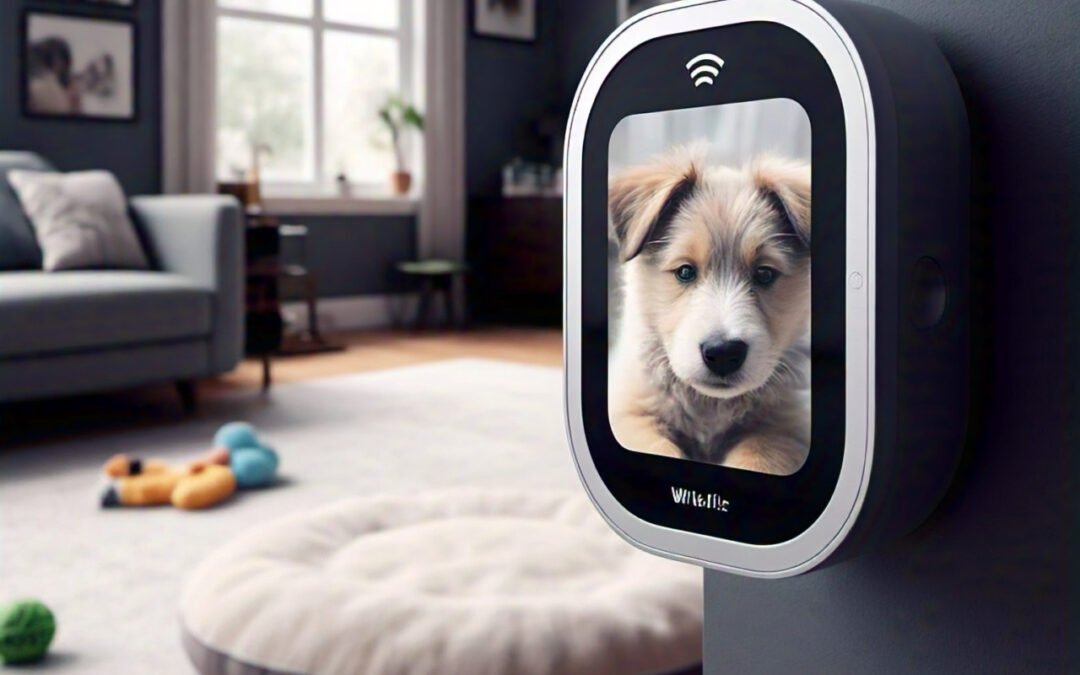
Keep related together with your furry good friend, even whenever you’re not house. Superior canine cameras now characteristic 360-degree views, two-way audio, deal with dispensers, and even barking alerts to maintain tabs in your pet’s well-being.
Trendy canine attire is not one-size-fits-all. Customizable choices permit pet homeowners to design outfits tailor-made to their canine’s measurement, persona, and wishes. From cooling vests to winter jackets, these merchandise guarantee each consolation and vogue.
Grooming your canine is less complicated than ever with high-tech instruments like self-cleaning brushes and silent nail grinders. These merchandise cater to canines of all coat sorts and assist make grooming a stress-free expertise.
Hydration is essential to your canine’s well being, and good water dispensers guarantee they’ve entry to wash, contemporary water always. Geared up with filtration methods and water high quality sensors, these gadgets are good for busy pet homeowners.
Understanding your canine’s genetic make-up is less complicated than ever with superior DNA testing kits. These kits present insights into breed composition, potential well being dangers, and even behavioral tendencies.
The most effective canine merchandise of 2025 replicate a harmonious mix of innovation, sustainability, and elegance. From good collars that monitor well being to eco-friendly toys and high-tech feeding stations, these merchandise are redefining how we take care of our canines.
Investing in these developments not solely improves your pet’s well-being but in addition aligns with the rising demand for eco-conscious and tech-savvy options. As we transfer ahead, embracing these tendencies ensures a happier, more healthy life to your furry companions.

The pet tech business is present process a technological renaissance, and 2025 guarantees to be a transformative 12 months for pet house owners and their furry companions. From wearable units and AI-driven instruments to sensible house integrations, the developments in pet know-how will not be simply progressive however sensible, reshaping how we work together with and take care of our pets.
This information delves into probably the most thrilling pet tech improvements you may sit up for in 2025, protecting wearables, well being monitoring, behavioral instruments, and futuristic options that prioritize pet wellness and proprietor comfort.
Pet wearables have moved past fundamental GPS trackers to develop into multi-functional units providing deep insights into pet well being and exercise. These devices are designed for real-time monitoring, enabling house owners to remain knowledgeable about their pet’s well-being always.
Key Options to Watch in 2025:
Instance Innovation: Sensible collars with built-in cameras permit house owners to see the world from their pet’s perspective, providing a brand new approach to bond with their animal companions.
Sensible house know-how has prolonged its attain to pets, making certain their consolation, security, and leisure. These instruments not solely automate routine duties but in addition create an enriched dwelling atmosphere for pets.
Prime Sensible House Improvements for Pets:
Well being trackers have gotten the cornerstone of proactive pet care. From wearables that monitor very important indicators to AI platforms that predict sicknesses, know-how is revolutionizing how we handle pet well being.
Revolutionary Well being Instruments in 2025:
Understanding and bettering pet habits has by no means been simpler because of developments in behavioral evaluation instruments.
Modern Behavioral Instruments:
Instance Innovation: Digital reality-based coaching platforms that simulate real-world situations, serving to pets overcome fears or be taught new behaviors in a managed atmosphere.
AI is reworking pet tech by providing predictive analytics and automation. Machine studying algorithms analyze huge quantities of knowledge to ship customized care suggestions and insights.
Purposes of AI in Pet Tech:
2025 is ready to introduce futuristic applied sciences that appear straight out of science fiction. These instruments intention to make pet care smarter, extra environment friendly, and extra linked.
Futuristic Pet Tech to Watch:
The adoption of pet tech gives quite a few benefits:
Regardless of its promise, pet tech faces a number of challenges:
As we method 2025, pet tech is redefining what it means to take care of animals. Wearables, sensible house integrations, AI-driven diagnostics, and futuristic improvements will not be simply tendencies—they’re the way forward for pet care. These instruments empower pet house owners to supply customized, proactive, and environment friendly care, making certain pets lead more healthy and happier lives.
Whether or not you’re a tech fanatic or a faithful pet mother or father, the developments in pet tech provide an thrilling glimpse right into a world the place know-how and companionship intersect seamlessly. By embracing these improvements, we will sit up for a future the place each wagging tail, purring buddy, or chirping companion thrives.
1. Sensible Feeders
| Class | Model | Finest Function | Worth Vary | Advisable For |
|---|---|---|---|---|
| Sensible Feeders | PetSafe | Voice alerts | $130–$180 | Busy pet dad and mom |
| Wagz | Well being app integration | $200–$250 | Tech-savvy pet homeowners | |
| AI Cameras | Furbo | Deal with-tossing and alerts | $150–$250 | Canine dad and mom |
| Petcube | Compact design | $200–$300 | Condominium dwellers | |
| Well being Trackers | Fi Collar | Lengthy battery life | $150–$200 | Out of doors lovers |
| Whistle | Month-to-month well being studies | $120–$180 | Vet-focused care | |
| Automated Litter Containers | Litter-Robotic | A number of-cat compatibility | $650–$700 | Multi-cat households |
| Petkit Pura X | Superior cleansing cycles | $600–$650 | Trendy minimalists |
Deciding on the right gadget is determined by your pet’s particular wants and your way of life. Whether or not you’re investing in a wise feeder for constant diet or a wearable tracker for peace of thoughts, the best instruments can elevate your pet parenting expertise.
Professional Tip: All the time analysis compatibility together with your current sensible dwelling units and browse evaluations to make sure the gadget meets your expectations.

Introduction
The Havana Brown is a uncommon and chic cat breed identified for its wealthy, chocolate-brown coat and fascinating inexperienced eyes. Typically described as a dwelling murals, the Havana Brown combines placing magnificence with a playful, affectionate character. This information will discover every thing you want to learn about this distinctive breed, together with its historical past, temperament, bodily traits, and care wants.
Whether or not you’re contemplating adopting a Havana Brown or are merely curious, this text has all of the in-depth insights you want.
The Havana Brown’s origins might be traced again to the Fifties within the United Kingdom when breeders started crossing Siamese cats with home black cats. The objective was to create a breed with a singular chocolate-brown coat and inexperienced eyes, distinct from the Siamese.
Key factors:
At present, Havana Browns are comparatively uncommon, and breeders work diligently to protect their distinctive traits.
The Havana Brown’s standout function is its placing chocolate-brown coat, however there’s extra to admire about this breed:
The Havana Brown’s bodily traits make it simply recognizable and admired amongst cat fans.
The Havana Brown isn’t just a magnificence; its character makes it a great companion for households and people.
Preferrred Proprietor:
Households, singles, and anybody in search of an affectionate, interactive pet will discover the Havana Brown a superb match.
Whereas the Havana Brown is low-maintenance in comparison with different breeds, there are particular care issues to make sure their well-being.
The Havana Brown is usually a wholesome breed, however homeowners ought to concentrate on the next:
Life Expectancy: With correct care, Havana Browns usually reside 12-15 years or extra.
To understand the distinctiveness of the Havana Brown, let’s examine it to different fashionable breeds:
| Trait | Havana Brown | Siamese | Russian Blue |
|---|---|---|---|
| Coat Coloration | Wealthy chocolate-brown | Number of pointed colours | Blue-gray |
| Character | Affectionate, social, playful | Talkative, affectionate | Calm, reserved, clever |
| Vocalization | Tender meows | Loud, talkative | Quiet, minimal vocalization |
| Eye Coloration | Inexperienced | Blue | Inexperienced |
This comparability highlights the Havana Brown’s distinct traits that set it other than comparable breeds.
Right here’s a fast abstract of why the Havana Brown makes a superb companion:
Should you’re in search of a uncommon, beautiful cat breed with an affectionate and playful character, the Havana Brown is an ideal alternative.
The Havana Brown cat is a uncommon gem within the feline world. Their mixture of magnificence, intelligence, and loyalty makes them an exquisite addition to any house. Whether or not you reside in a bustling household atmosphere or are a single pet proprietor, a Havana Brown will reward you with years of companionship and affection.
Should you’re prepared for a social and chic feline good friend, take into account reaching out to a good breeder or rescue group specializing in Havana Browns.
FAQs
Conclusion:
The Havana Brown is a sublime, loving, and interactive cat breed that provides companionship, magnificence, and appeal. Should you’re lucky sufficient to convey one into your house, you’ll get pleasure from a lifetime of loyalty and affection from this distinctive feline.